
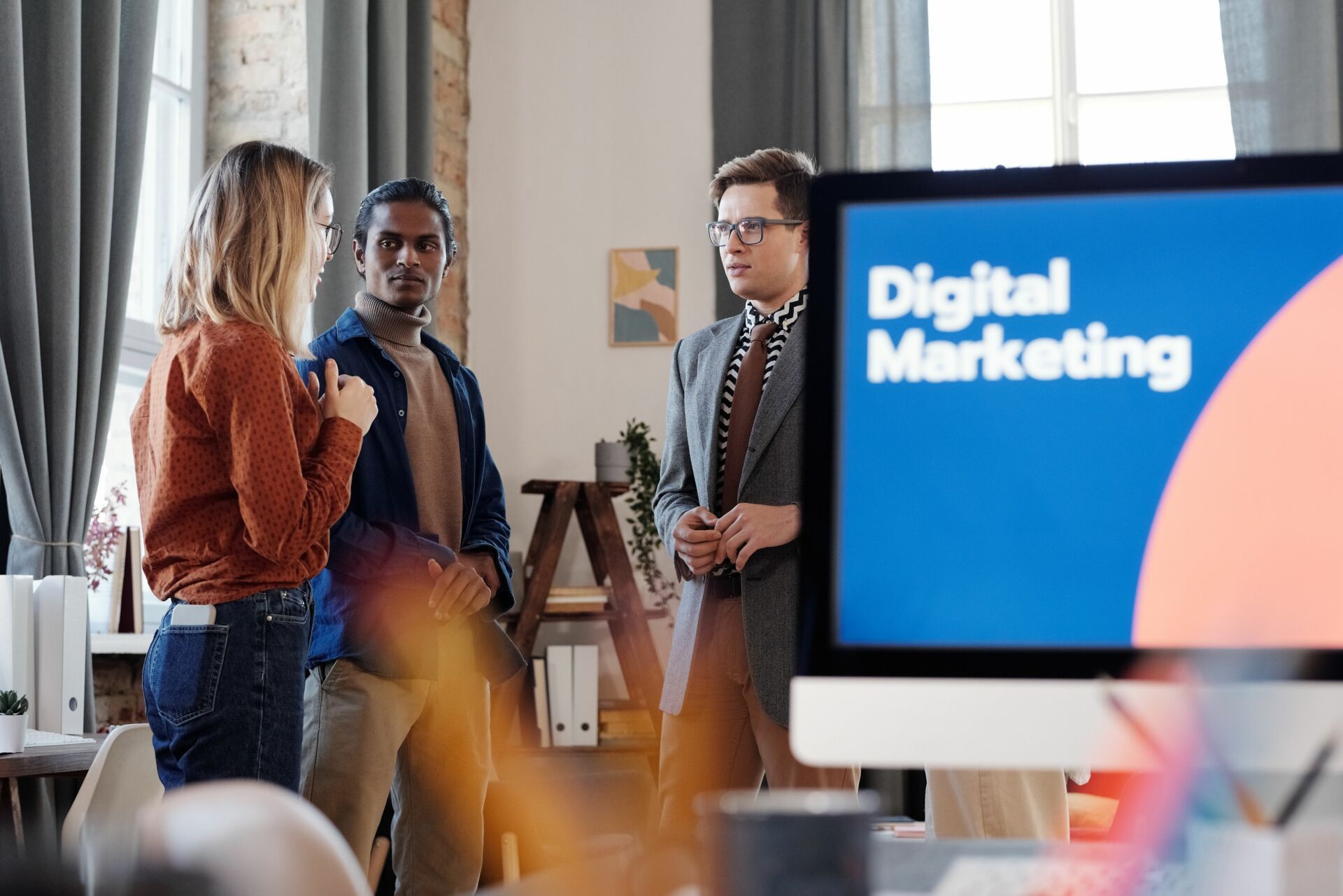
What Is Digital Marketing?
Digital marketing refers to marketing activities that use digital channels and technologies to promote a brand, product, service, or business.
Unlike traditional marketing, which may rely on channels such as television, print, radio, or outdoor advertising, digital marketing allows brands to communicate and interact with audiences through online platforms.
Common digital marketing channels include:
- Search engines
- Social media
- Websites
- Online advertising
- Content platforms
- Video platforms
- Mobile applications
Depending on the business and its objectives, a digital marketing strategy may use one or several of these channels.
Why Is Digital Marketing Important?
Digital marketing gives businesses new ways to reach audiences where they already spend their time.
It can help brands:
Reach the Right Audience
Digital channels allow businesses to target audiences based on factors such as interests, behaviors, location, demographics, and search intent.
This can make marketing communication more relevant and targeted.
Build Brand Awareness
Consistent digital communication can help people discover and recognize a brand.
From social media content to search visibility, different digital touchpoints can contribute to how audiences perceive a business.
Engage With Audiences
Digital marketing is not only about broadcasting a message.
Social media, websites, email, and other platforms allow audiences to interact with brands, ask questions, share content, and become part of a broader brand community.
Generate Leads and Opportunities
Digital channels can also support business growth by directing audiences toward websites, landing pages, contact forms, or other conversion points.
Measure Performance
One of the major advantages of digital marketing is the ability to track performance.
Businesses can analyze metrics such as website traffic, engagement, clicks, leads, conversions, and other relevant indicators.
These insights can then be used to improve future marketing activities.
Key Digital Marketing Channels
Digital marketing covers a wide range of channels. Each one serves a different purpose and can contribute to different stages of the customer journey.
1. Search Engine Optimization
Search Engine Optimization (SEO) helps websites improve their visibility in search engine results.
By creating useful content and optimizing websites around relevant search queries, businesses can attract people who are actively looking for information, products, or services.
SEO can include:
- Keyword research
- Content creation
- On-page optimization
- Technical SEO
- Internal linking
- Website performance
Unlike paid advertising, SEO focuses on building organic visibility over time.
2. Social Media Marketing
Social media marketing uses platforms such as Instagram, LinkedIn, TikTok, Facebook, and other social networks to communicate with audiences.
Brands can use social media to:
- Build awareness
- Share content
- Engage communities
- Introduce products or services
- Drive traffic
- Strengthen brand identity
The most effective social media strategy is not necessarily about being present on every platform.
It is about understanding where the relevant audience is and creating content that fits the platform.
3. Content Marketing
Content marketing focuses on creating and distributing useful or relevant content for a specific audience.
Content can include:
- Articles
- Videos
- Guides
- Infographics
- Case studies
- Social media posts
- Newsletters
- Reports
Good content can help brands build awareness, demonstrate expertise, answer audience questions, and support other digital marketing activities.
4. Search Engine Marketing and Online Advertising
Paid digital advertising allows businesses to reach specific audiences through platforms such as search engines, social media, websites, and other digital channels.
Depending on the objective, campaigns can focus on:
- Awareness
- Website traffic
- Engagement
- Lead generation
- Conversions
Paid advertising can provide faster visibility, while SEO and content marketing can contribute to longer-term organic growth.
5. Email Marketing
Email marketing allows businesses to communicate directly with people who have chosen to receive their communications.
It can be used for:
- Newsletters
- Product updates
- Promotions
- Educational content
- Customer communication
- Lead nurturing
When done well, email marketing can help businesses maintain relationships beyond the initial interaction.

How Does Digital Marketing Work?
Digital marketing works best when different activities are connected rather than treated as isolated channels.
A simple digital marketing journey might look like:
Awareness → Engagement → Consideration → Conversion → Retention
For example, someone might discover a brand through a social media post.
They may then visit the company's website, read an article, sign up for a newsletter, and eventually contact the business or make a purchase.
Each interaction becomes part of the broader customer journey.
This is why having a clear strategy is important.
Digital Marketing Strategy
A successful digital marketing strategy starts with a clear understanding of what the business wants to achieve.
Before choosing channels or creating content, businesses should consider several questions:
Who Is the Target Audience?
Understanding the audience helps determine what to communicate, where to communicate, and how to communicate it.
What Is the Objective?
Objectives can include building awareness, increasing website traffic, generating leads, supporting sales, or strengthening customer relationships.
Which Channels Matter Most?
Not every business needs to use every digital channel.
The right channels depend on the audience, objectives, resources, and nature of the business.
What Should the Brand Communicate?
Content should have a clear purpose and align with the brand's positioning.
How Will Success Be Measured?
Choosing relevant metrics allows businesses to understand whether their digital marketing activities are achieving their objectives.
Digital Marketing vs. Traditional Marketing
Digital marketing and traditional marketing are not necessarily competitors.
They can work together.
Traditional channels such as television, print, outdoor media, and events can create broad awareness and physical experiences.
Digital channels can extend those interactions through content, social media, websites, search, and online communities.
For many brands, combining different channels can create a more connected customer journey.
The key is understanding the role that each channel plays.

Common Digital Marketing Mistakes
Having a digital presence does not automatically mean having an effective digital marketing strategy.
Some common mistakes include:
Trying to Be Everywhere
Being active on every platform can spread resources too thin.
It is often better to focus on channels that are relevant to the audience and objectives.
Creating Content Without a Strategy
Posting regularly is not the same as having a content strategy.
Every piece of content should contribute to a broader communication objective.
Focusing Only on Short-Term Results
Some digital activities can produce immediate results, while others require time to build.
SEO, content, and brand awareness, for example, often require consistency and patience.
Ignoring the Customer Journey
A social media post, website, advertisement, and email should not necessarily operate as completely separate experiences.
Connecting these touchpoints can create a more consistent brand journey.
Not Measuring Performance
Without measurement, it becomes difficult to understand what is working and where improvements are needed.
The Future of Digital Marketing
Digital marketing continues to evolve as technology and audience behavior change.
New platforms, artificial intelligence, data, automation, video formats, and changing search behavior are influencing how brands communicate online.
But while the tools continue to change, one principle remains important:
Digital marketing is ultimately about connecting brands with people.
Technology can help businesses reach audiences more efficiently, but meaningful communication still depends on understanding what people need, want, and care about.

Digital Marketing and the Bigger Brand Experience
Digital marketing is only one part of the way people experience a brand.
A customer may discover a company through search, follow it on social media, visit its website, interact with its content, and later encounter the brand through an event or physical experience.
Each touchpoint contributes to the overall perception of the brand.
This is why digital marketing can become even more powerful when connected with broader marketing, communication, and brand experience strategies.
Creating Meaningful Connections Through Digital Marketing
Digital marketing gives brands more opportunities than ever to reach and engage their audiences.
But success is not simply about being visible online.
It is about having a clear strategy, understanding the audience, choosing the right channels, and creating communication that people find useful and meaningful.
At MCI Indonesia, we combine global expertise with local understanding to help brands connect with their audiences through marketing, engagement, experiences, and events.
From digital communication to meaningful brand experiences, the goal is to create connections that go beyond individual touchpoints.
Global expertise. Local excellence. Meaningful experiences.
📞 WhatsApp: +62 811-2898-787
📸 Instagram: @mciindonesiaofficial
 Jordan Royanto Marketing Specialist


