

What Does MICE Stand For?
MICE stands for Meetings, Incentives, Conferences, and Exhibitions.
Together, these four areas represent a broad range of business events designed to connect people, organisations, and communities.
Meetings
Meetings bring people together to communicate, collaborate, make decisions, or share information.
They can range from internal corporate meetings and management meetings to client meetings, networking sessions, and strategic business gatherings.
While meetings can vary in size and format, their effectiveness depends on creating an environment that supports meaningful interaction and clear objectives.
Incentives
Incentive programmes are experiences designed to recognise, motivate, and reward employees, partners, or other stakeholders.
Rather than simply providing a reward, incentive experiences can create opportunities for people to explore new destinations, build relationships, and create lasting memories.
An effective incentive programme should reflect the organisation's objectives while providing an experience that participants genuinely value.
Conferences
Conferences bring together professionals, industry leaders, experts, and communities to exchange knowledge, discuss ideas, and build connections.
They can include keynote presentations, panel discussions, workshops, networking sessions, exhibitions, and other interactive formats.
The success of a conference depends not only on the quality of its content, but also on how effectively the overall experience engages its audience.
Exhibitions
Exhibitions provide organisations with opportunities to showcase products, services, ideas, and innovations to a relevant audience.
From trade exhibitions to industry showcases, exhibitions can support business development, networking, brand visibility, and relationship building.
The experience extends beyond the exhibition floor, with elements such as booth design, content, technology, networking, and visitor engagement all contributing to the overall impact.
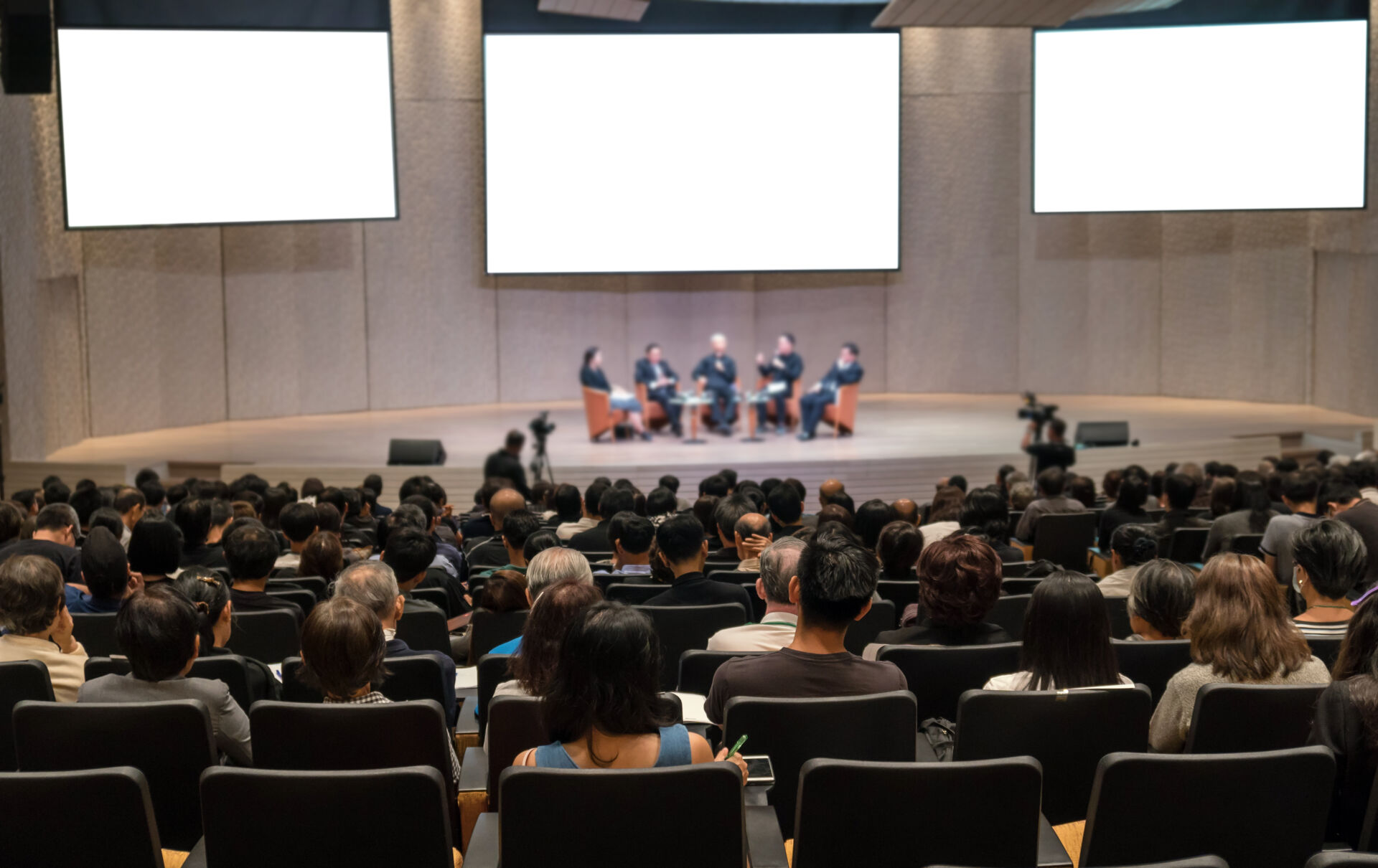
What Are MICE Events?
MICE events can take many different forms depending on the organisation, audience, objectives, and industry.
Examples include:
- Corporate meetings
- Incentive programmes
- Conferences and congresses
- Trade exhibitions
- Networking events
- Corporate gatherings
- Industry forums
- Business summits
- Knowledge-sharing events
- International association events
Each type of MICE event requires a different approach.
A leadership meeting may prioritise productivity and decision-making, while an international conference may focus on knowledge sharing and networking. An incentive programme, meanwhile, may place greater emphasis on destination, hospitality, and memorable experiences.
The objective should always influence the way the event is designed.
Why Does MICE Matter for Businesses?
MICE events can play an important role in supporting broader business and organisational objectives.
Building Relationships
Face-to-face experiences create opportunities for people to connect beyond everyday communication.
Meetings, conferences, and networking events can help organisations strengthen relationships with clients, partners, employees, and other stakeholders.
Sharing Knowledge
Conferences and business events provide platforms for professionals to exchange ideas, share expertise, and discuss developments within their industries.
A well-designed event can turn presentations and discussions into opportunities for deeper engagement and collaboration.
Supporting Employee Engagement
MICE experiences can also support internal engagement.
Meetings, incentive programmes, and corporate gatherings can bring employees together, strengthen relationships, recognise achievements, and create a stronger sense of connection.
Creating Business Opportunities
Business events can bring together potential clients, partners, investors, suppliers, and industry communities.
This creates opportunities for networking, collaboration, lead generation, and business development.
Strengthening Brand Experience
For organisations, every event is also an opportunity to shape how people experience the brand.
The venue, content, design, technology, interactions, and overall attendee journey can contribute to how an organisation is perceived.
A well-designed MICE experience can therefore become more than an event. It can become a meaningful expression of the brand.
What Makes a Successful MICE Event?
A successful MICE event is not defined only by the number of attendees or how smoothly the event runs.
It should deliver against a clear objective.
Several elements contribute to a successful MICE experience.
1. Clear Objectives
Every event should begin with a clear understanding of what it needs to achieve.
Is the goal to share knowledge? Strengthen relationships? Recognise performance? Generate business opportunities? Or create a stronger connection between people and a brand?
The answer provides the foundation for the event strategy.
2. The Right Audience
Understanding who the event is designed for is essential.
Different audiences have different expectations, motivations, and ways of engaging with an experience.
A successful MICE event considers these differences from the beginning of the planning process.
3. Strategic Planning
MICE events involve many moving parts, from venues and suppliers to content, logistics, technology, and attendee management.
A clear strategy helps ensure these elements work together rather than operating as separate components.
4. Engaging Experiences
People remember experiences, not just schedules.
Creative concepts, storytelling, interactive elements, technology, and thoughtful details can help make an event more engaging and memorable.
However, creativity should always serve a purpose.
The best ideas are those that make the experience more meaningful while supporting the event's objectives.
5. Seamless Execution
Even a strong concept can fall short without effective execution.
Production, logistics, registration, transportation, technical requirements, suppliers, and on-site operations all need to work together.
Attention to detail can make the difference between an event that simply happens and an experience that feels seamless.
The Importance of Attendee Experience
At the centre of every MICE event are the people attending it.
Their experience begins before they arrive at the venue.
It can include registration, communication, travel, arrival, wayfinding, content, networking, entertainment, technology, and every interaction throughout the event.
This is why attendee experience should not be treated as a collection of individual touchpoints.
Instead, each element should contribute to one cohesive journey.
A successful MICE event should give attendees a clear reason to participate, engage, connect, and remember the experience afterwards.
MICE and the Future of Business Events
The MICE industry continues to evolve as organisations look for more meaningful ways to connect with their audiences.
Technology is becoming increasingly integrated into event experiences, from digital registration and event platforms to interactive experiences and data-driven engagement.
At the same time, audiences are placing greater value on personalisation, meaningful interaction, sustainability, and experiences that feel relevant to them.
This means the future of MICE is not simply about creating larger events.
It is about creating better experiences.
Events that understand their audiences, use technology thoughtfully, and connect every element to a clear purpose can create greater value for both organisations and attendees.
Choosing the Right MICE Partner
Planning a MICE event often involves multiple stakeholders, suppliers, locations, and operational requirements.
The right event partner can help bring these elements together while contributing strategic and creative expertise.
When selecting a MICE partner, organisations should consider:
- Does the team understand the objectives behind the event?
- Do they have experience with similar audiences and event formats?
- Can they provide strategic and creative input?
- Do they have strong local knowledge and supplier networks?
- Can they manage multiple event components from planning through execution?
- Can they design experiences around the attendee journey?
- Can they measure and demonstrate the impact of the event?
The goal should not simply be to find a supplier that can deliver an event.
It should be to find a partner that can help turn the event's objectives into a meaningful experience.
Creating Experiences That Bring People Together
MICE events bring people together for different reasons.
They create spaces for businesses to communicate, communities to connect, professionals to exchange knowledge, and organisations to recognise and engage their people.
But the most successful MICE experiences go beyond logistics.
They combine strategy, creativity, experience, and execution to create something that has a clear purpose and lasting value.
At MCI Indonesia, we help organisations create meaningful experiences across meetings, incentives, conferences, exhibitions, and other business events.
With global expertise and local knowledge, our approach connects strategy, creativity, and execution to create experiences that connect people and support broader organisational objectives.
Planning a MICE event in Indonesia? Let's create an experience that matters.
 Jordan Royanto Marketing Specialist


