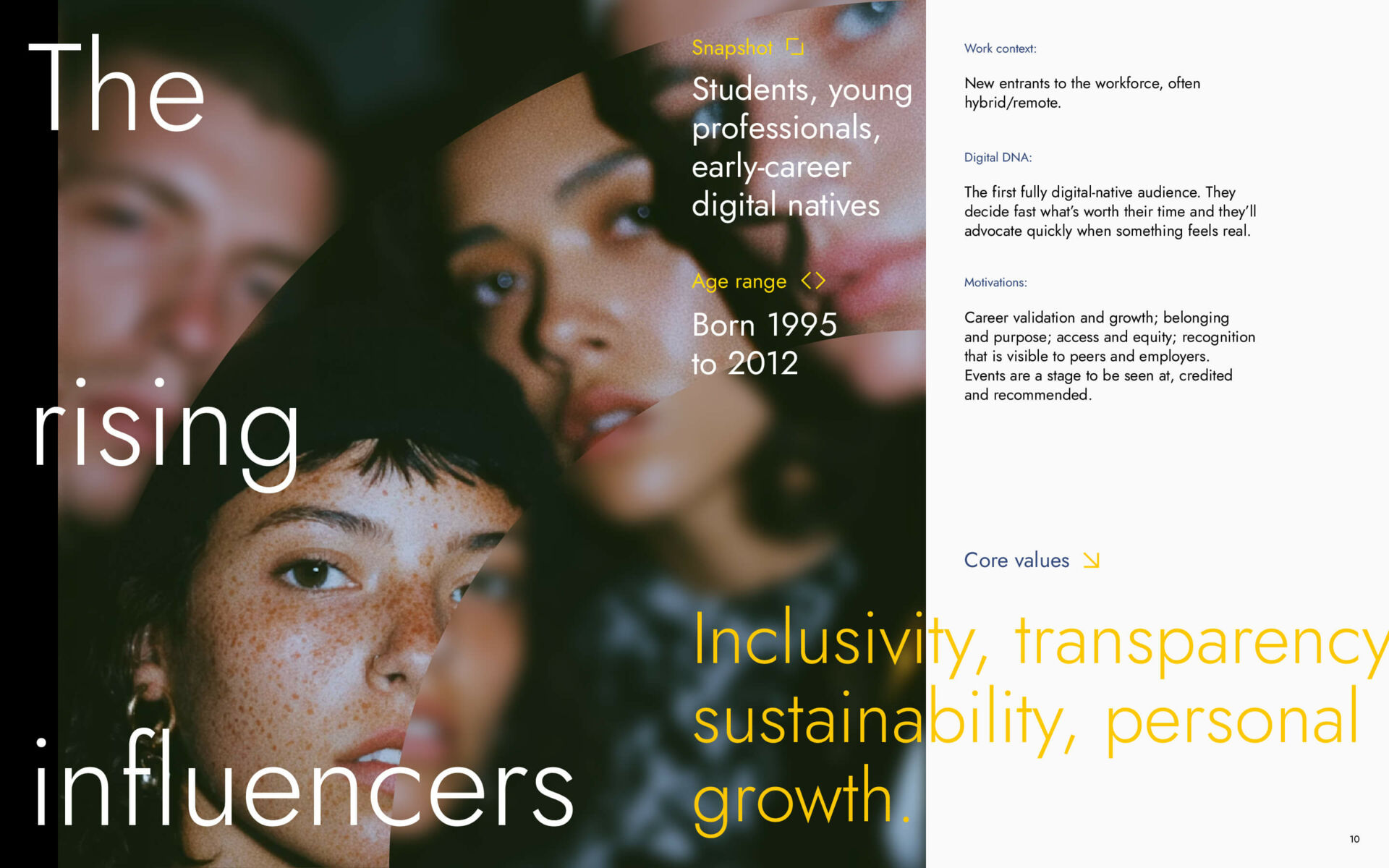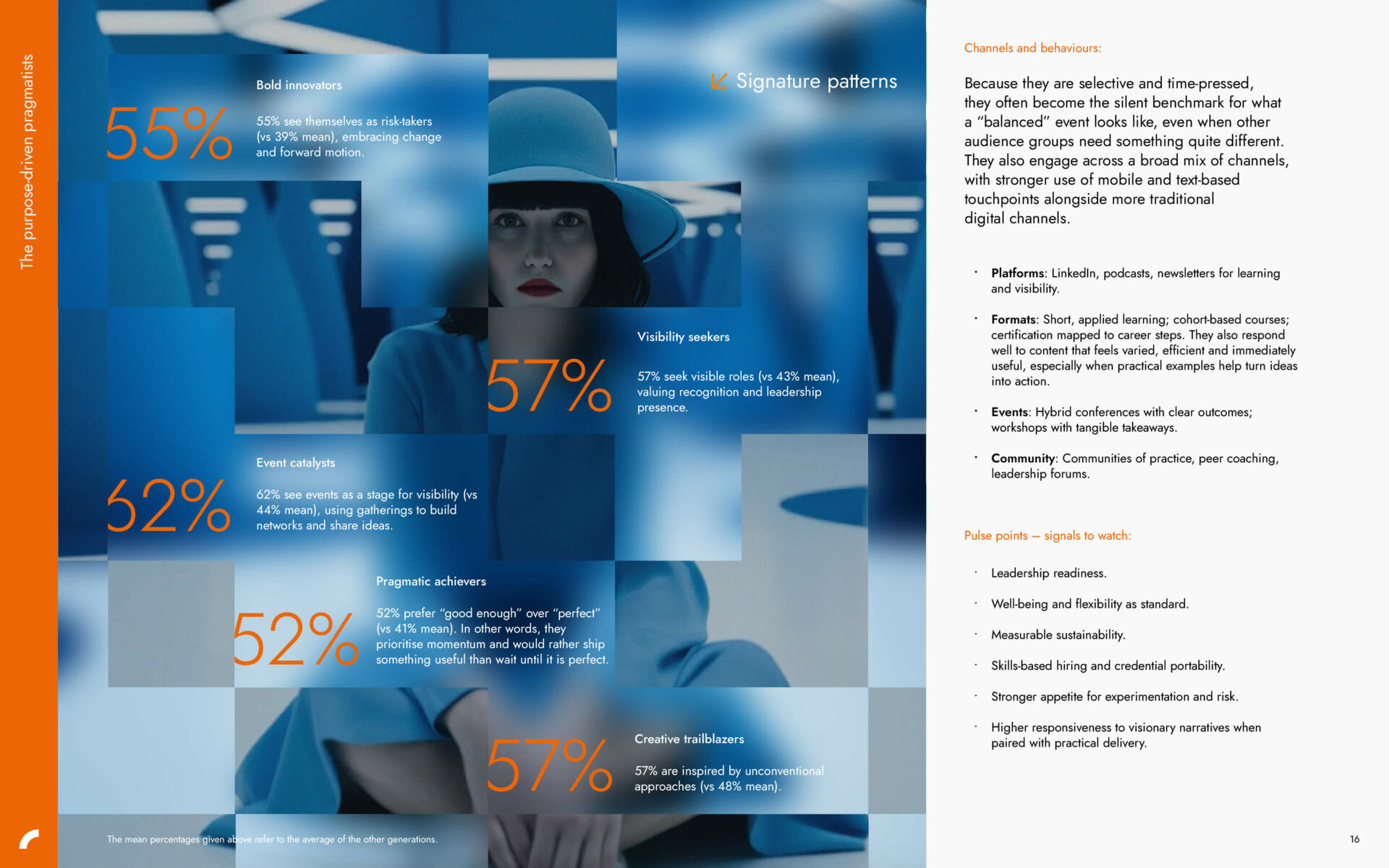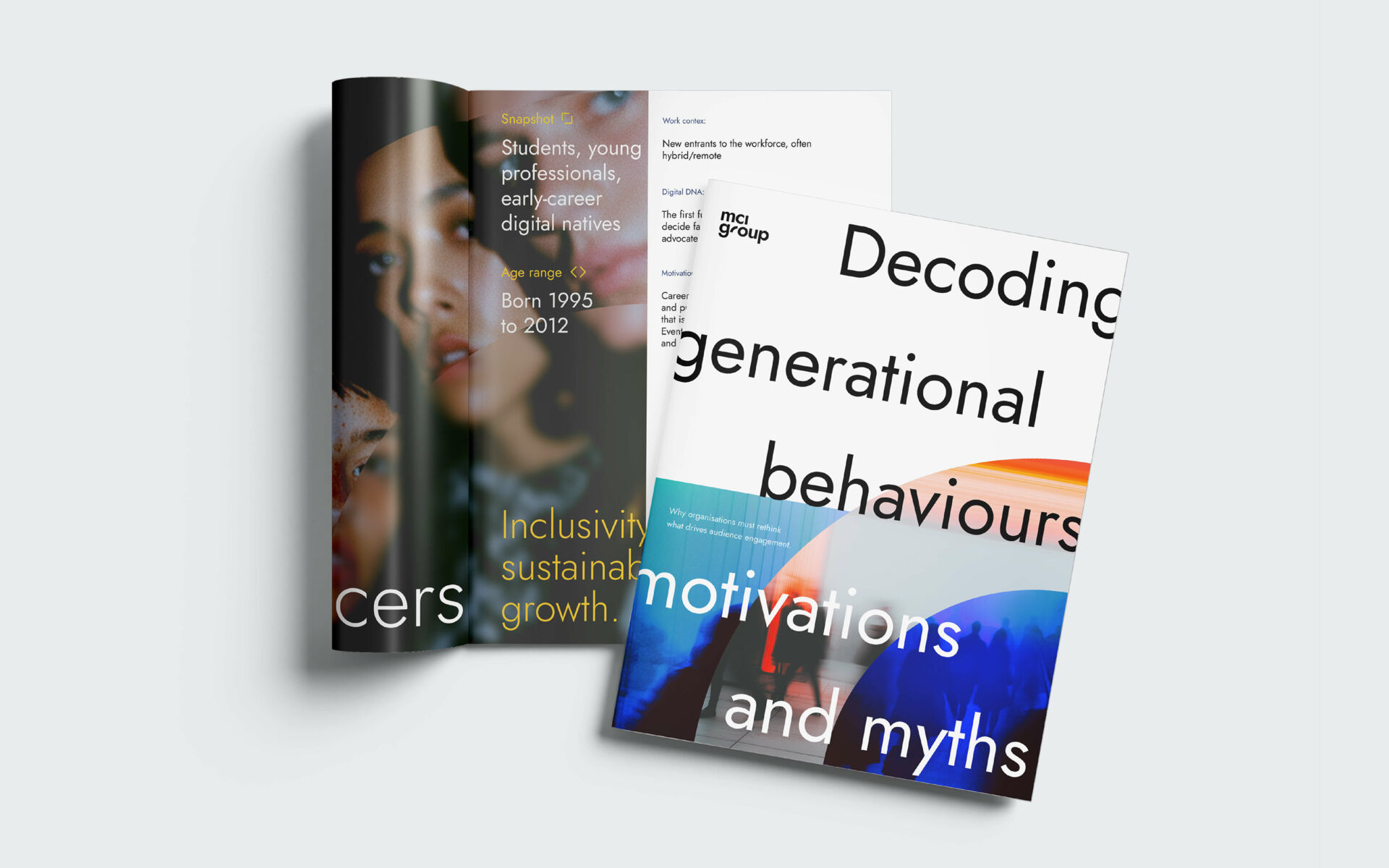
Audience engagement is shifting. Age still matters, but it no longer tells the full story. Across events, communities, memberships and brand experiences, participation is now shaped just as much by behaviour, motivation, trust, relevance and recognition. This report explores how Gen Z, Millennials, Gen X and Baby Boomers connect, decide and take part today, and what that means for organisations that want to build stronger engagement strategies.

Why this report matters
Organisations everywhere are rethinking how they earn attention and trust. The old signals of success no longer tell the whole story. Attendance alone is not enough. Reach alone is not enough. What matters is whether people choose to take part, contribute and come back. This report helps explain why. It combines the mci group's experience plus two global surveys to give leaders a clearer view of what different audiences and generations value, what holds them back and what helps participation grow.Inside the report, you’ll find:...
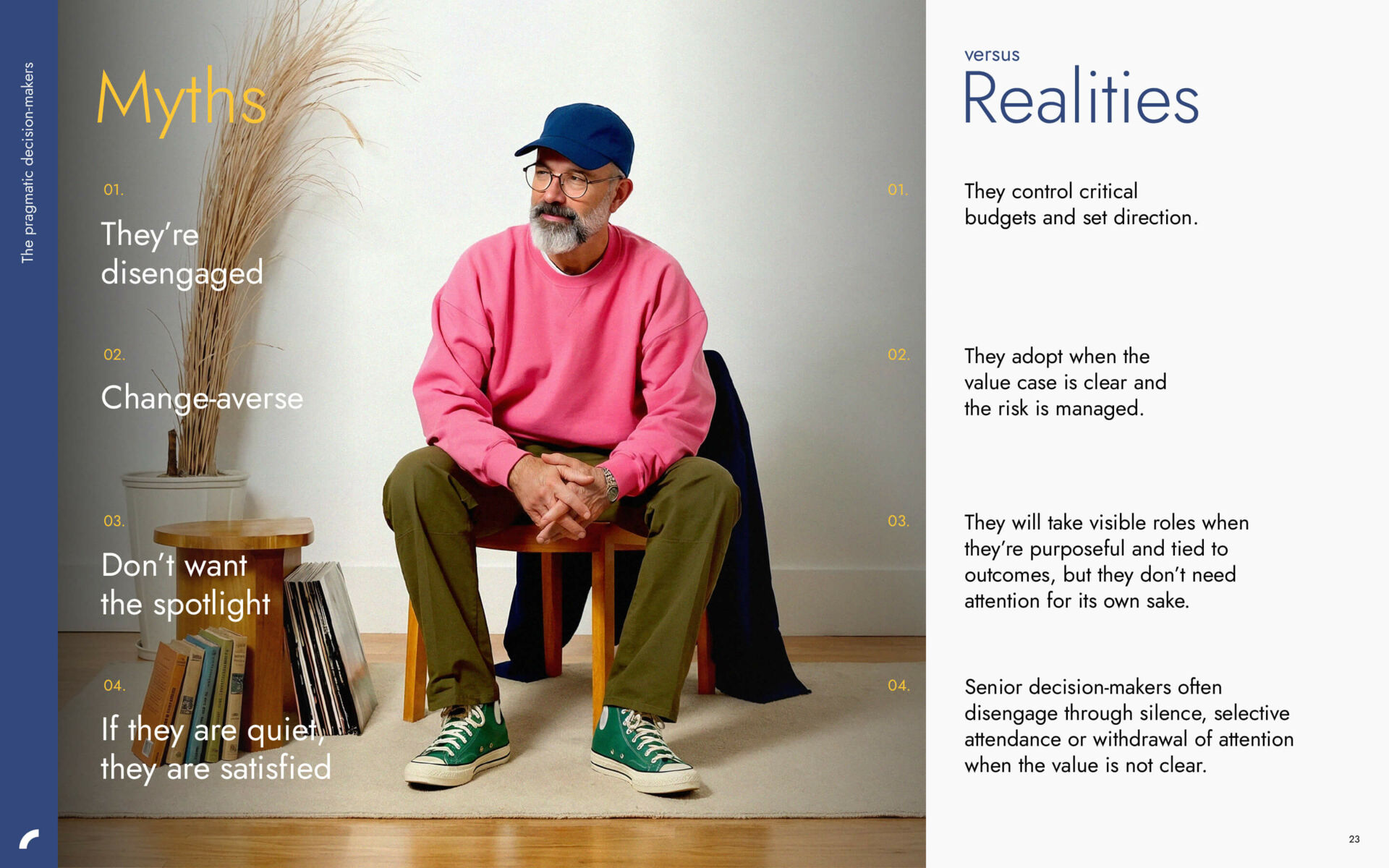
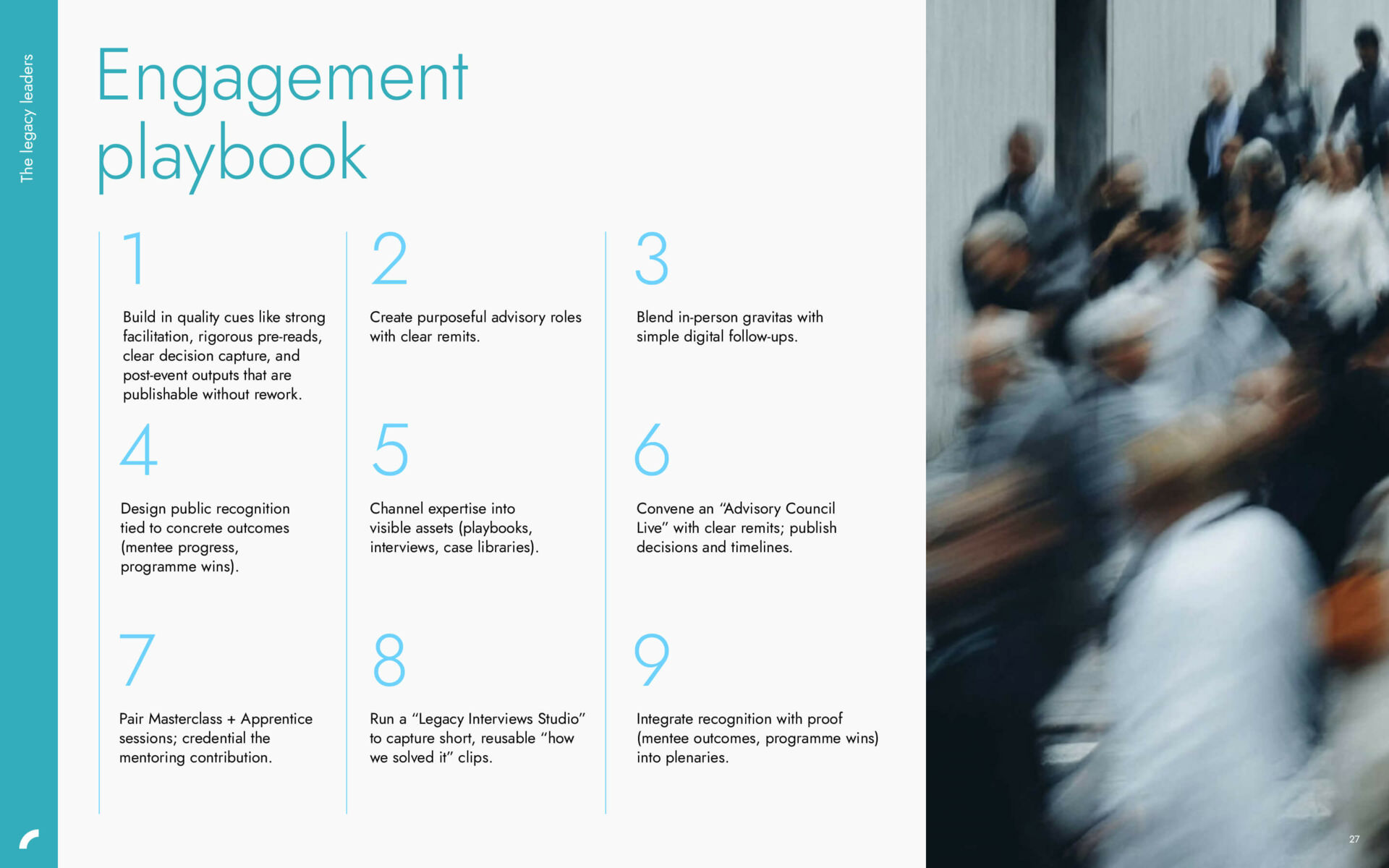
Myth-busting insights that challenge common assumptions about each generation. A clearer view of how audience behaviour, confidence, motivations and expectations shape participation. Practical playbooks to help you design more relevant campaigns, events and communities. Case stories showing how audience-specific design can improve participation, satisfaction and long-term engagement. A future-facing view of how AI, sustainability, community, learning and Gen Alpha are reshaping what comes next.Who it’s for
This report is for leaders responsible for audience growth, engagement and experience, including marketers, event strategists, membership leaders, association professionals and brand teams. It is especially relevant for organisations trying to engage mixed-generation audiences across communities, conferences, learning programmes, stakeholder ecosystems and year-round content journeys.Why now?
Four forces are reshaping participation across every generation: AI-driven personalisation, credible sustainability, a stronger sense of community and clearer opportunities for learning and growth. These forces affect everyone but not in the same way. Understanding those differences helps organisations make better decisions on format, messaging, recognition, investment and measurement.What makes this different?
This is not a report built on generational clichés. It treats generational segmentation as a guide, not a box. The goal is not to flatten differences or rely on stereotypes but to help organisations understand the patterns, behaviours and participation conditions that shape engagement in the real world.The organisations that grow strong communities are the ones that understand what different audiences need in order to take part. Download the report to explore the signals shaping participation now and the practical actions that can turn insight into stronger engagement.