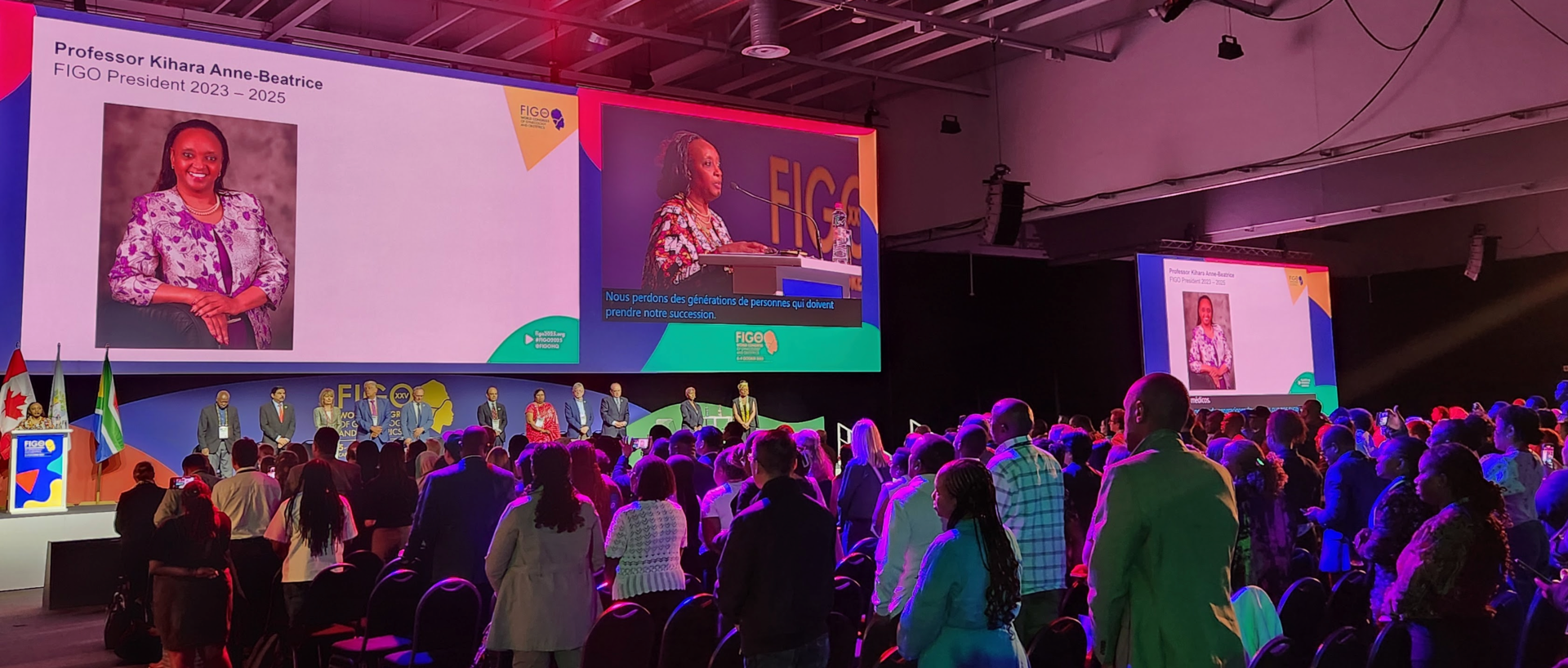
I am a journalist with an interest in women’s reproductive health. I also write thought-leadership articles for MCI so I jumped at the chance to attend the MCI-organised XXV FIGO 2025 World Congress of Gynecology and Obstetrics in October 2025.
I arrived expecting a major scientific congress. I left with something larger: a sense of a global community moving in the same direction, bringing science and advocacy into the same room because progress for women’s, girls’ and newborns’ health and rights relies on collaboration across disciplines and borders.
Reflections on the week
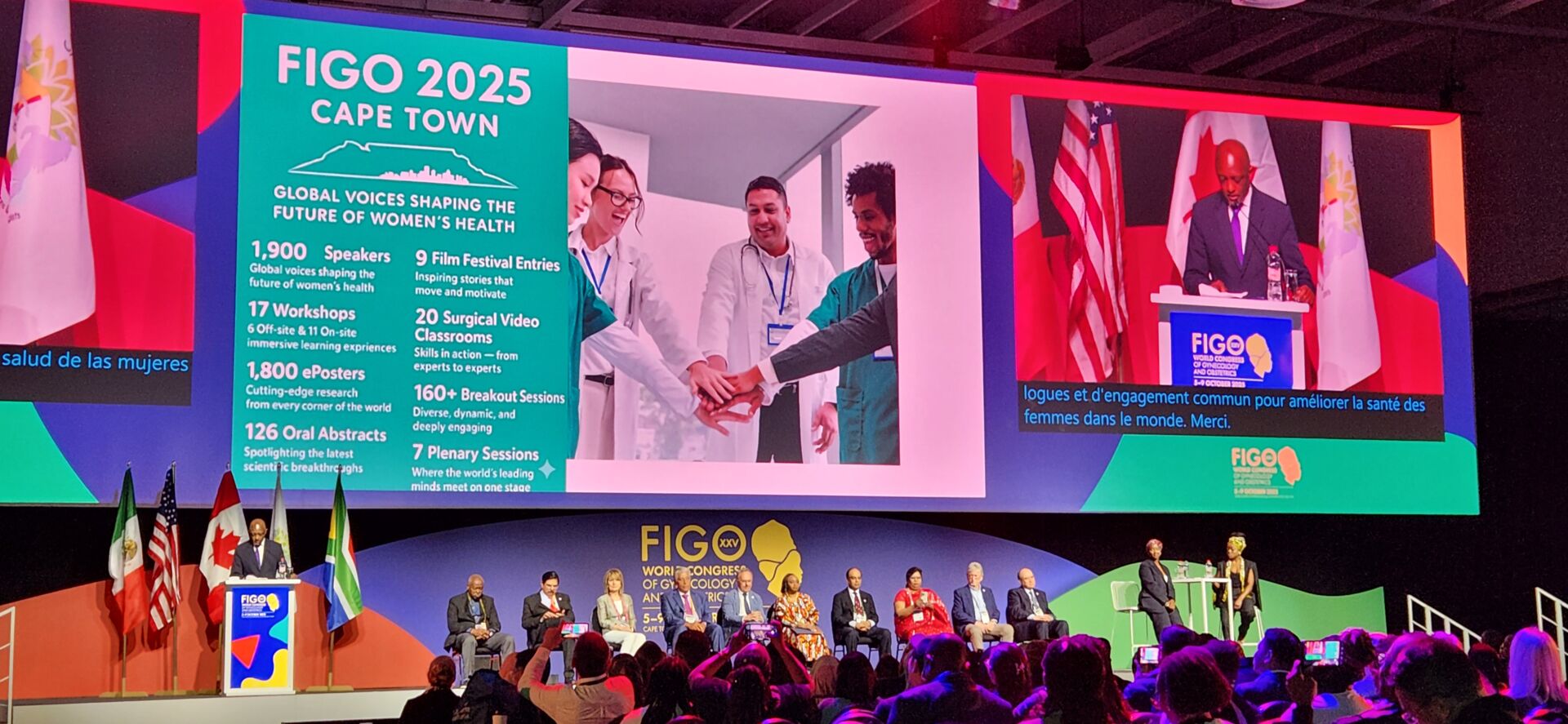
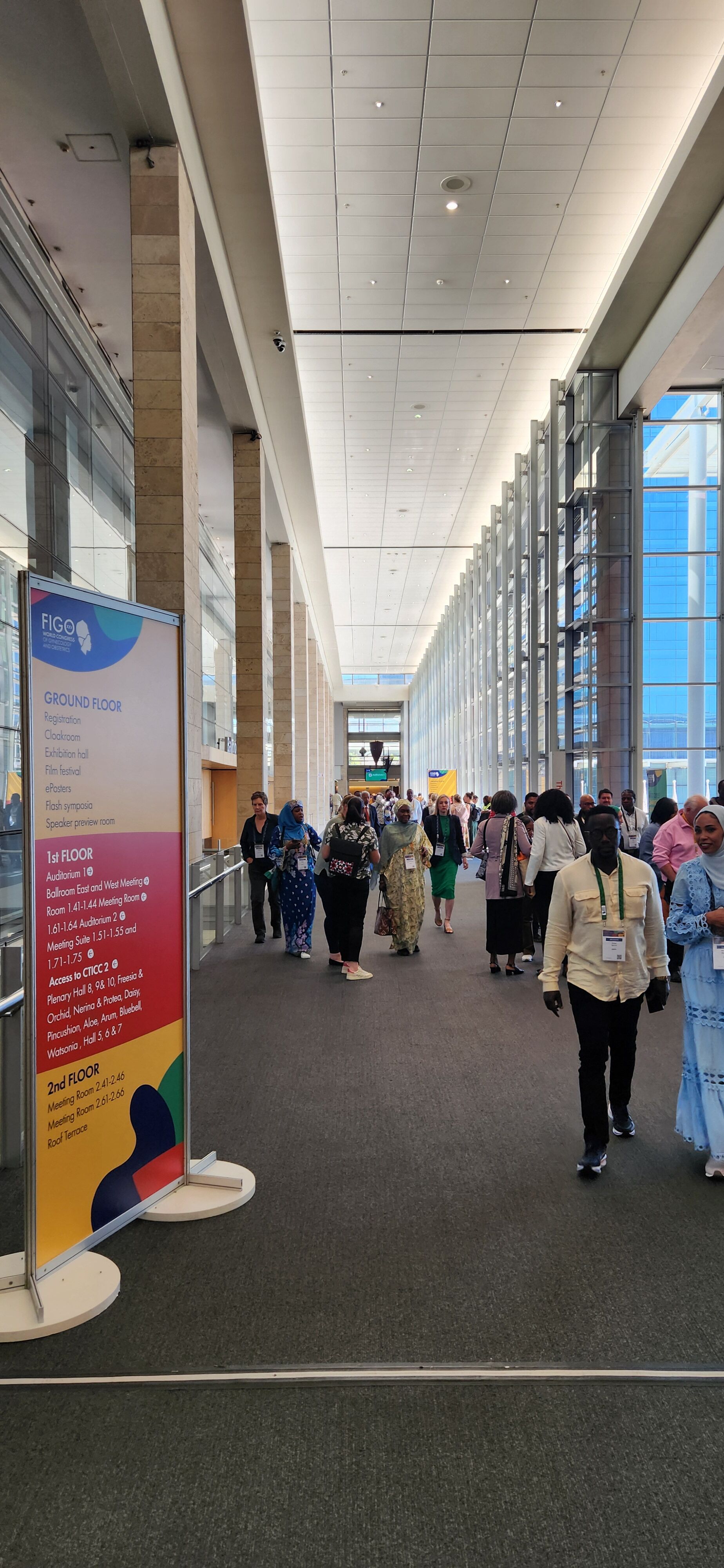
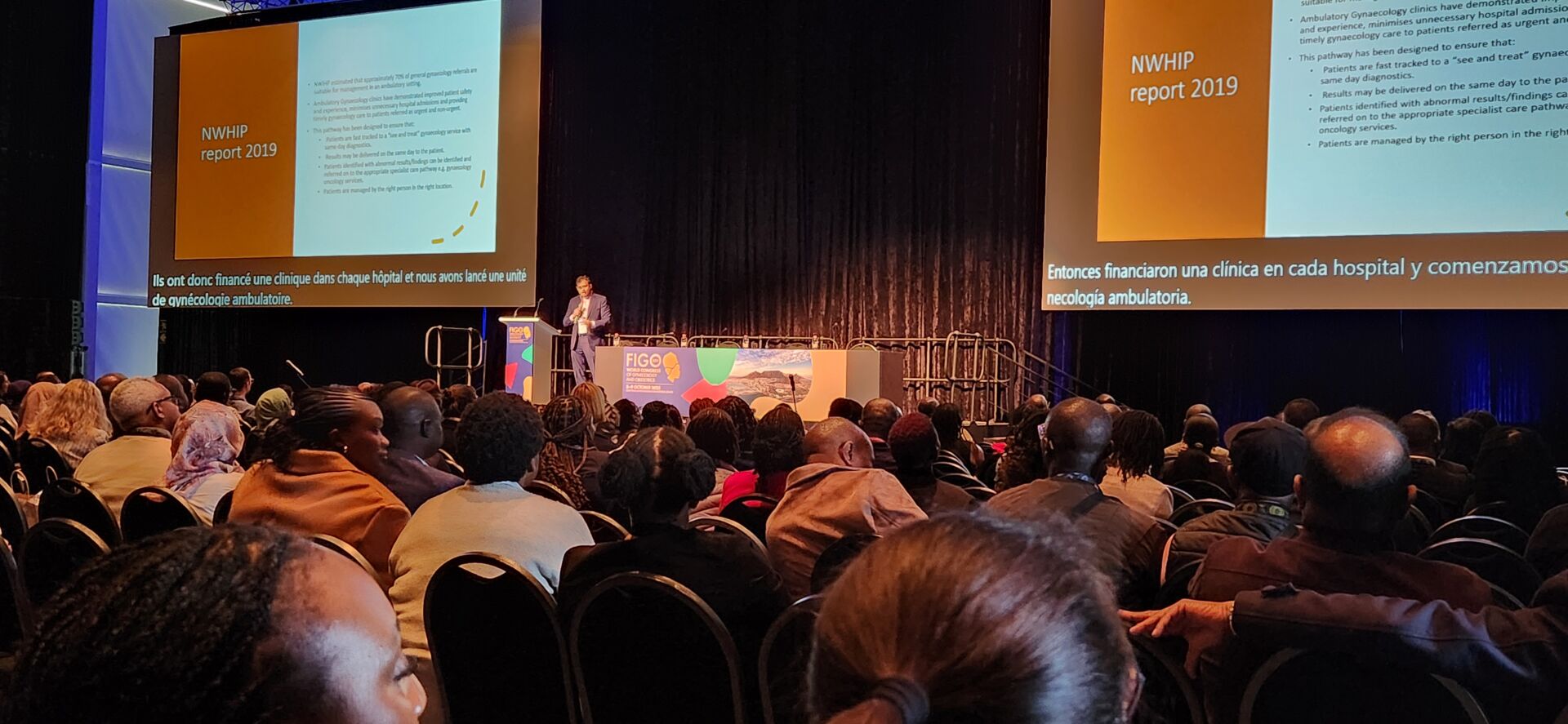
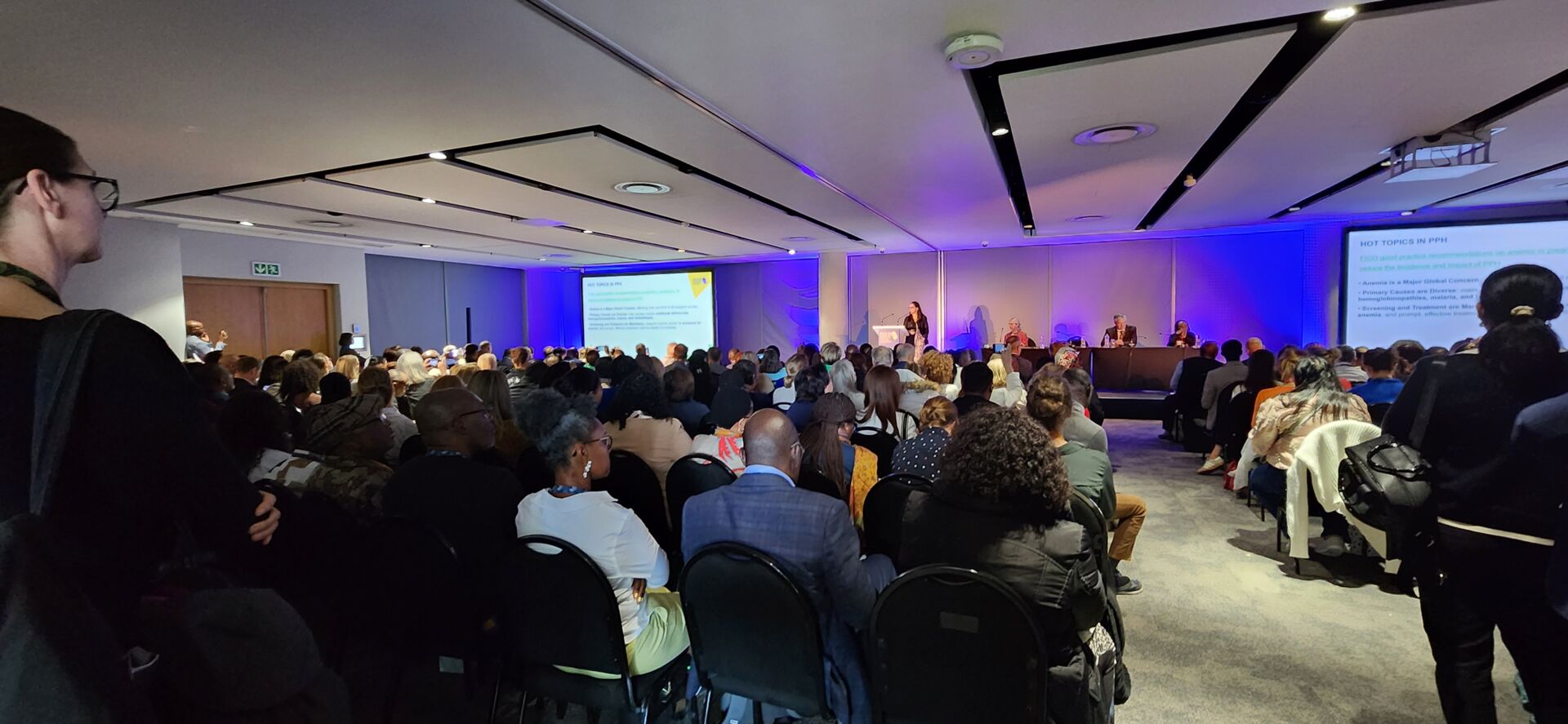
With more than 5,000 delegates and 1,900 speakers, the scale is the first thing you felt. There was energy in the corridors, purposeful movement between sessions and a sense that you were stepping into a week that matters. The scientific programme was rich and fast-paced, including 7 plenary sessions, 17 on- and off-site workshops, nearly 2,000 e-posters and oral abstracts, 20 surgical video classrooms, 160+ breakout sessions and various social events. Thank goodness for the excellent conference app which helped enormously with planning, as did the excellent communication on various platforms.
There were the formal sessions, where research and clinical knowledge were shared. There were interactive formats and hands-on simulation labs that pulled delegates out of passive listening and into practical learning. Then there were the advocacy-driven moments that shifted the tone completely. The walkathon against violence, the Run for Breast Cancer Awareness Month and the postpartum haemorrhage (PPH) collapse created a different type of attention: collective, values-led and emotional.
Those moments felt like reminders that the work is human before it is technical. The week also marked major milestones, including the announcement of World PPH Day and the release of new consolidated PPH guidelines at the President’s session.
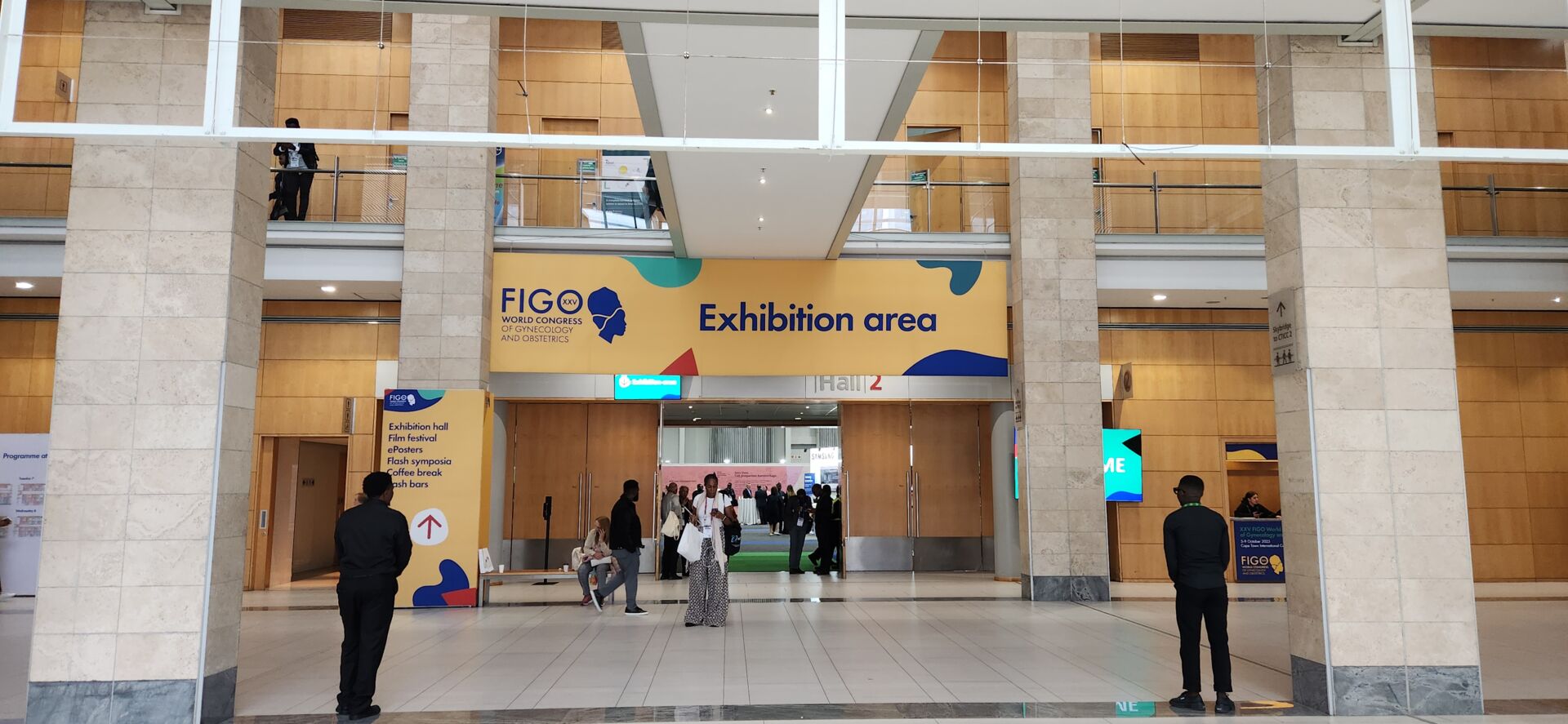
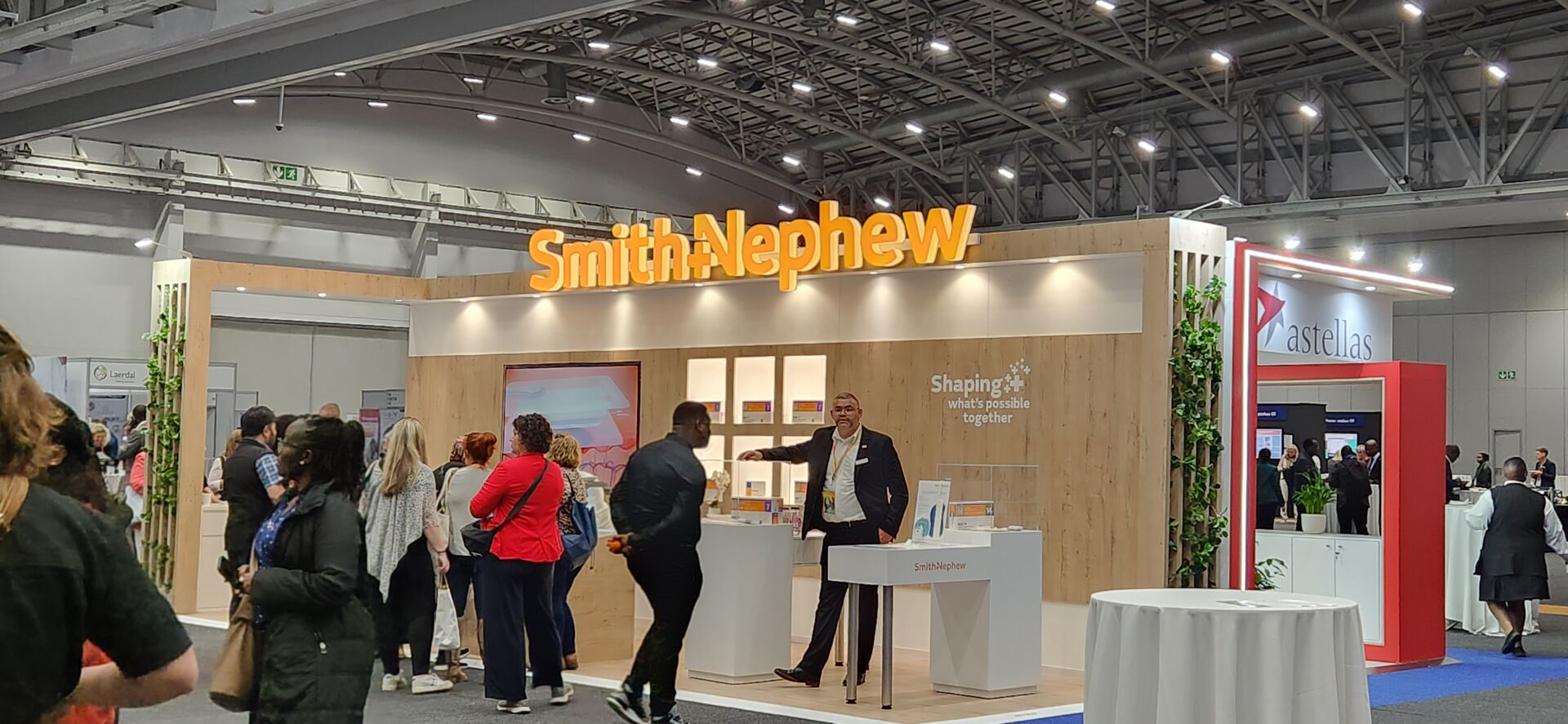
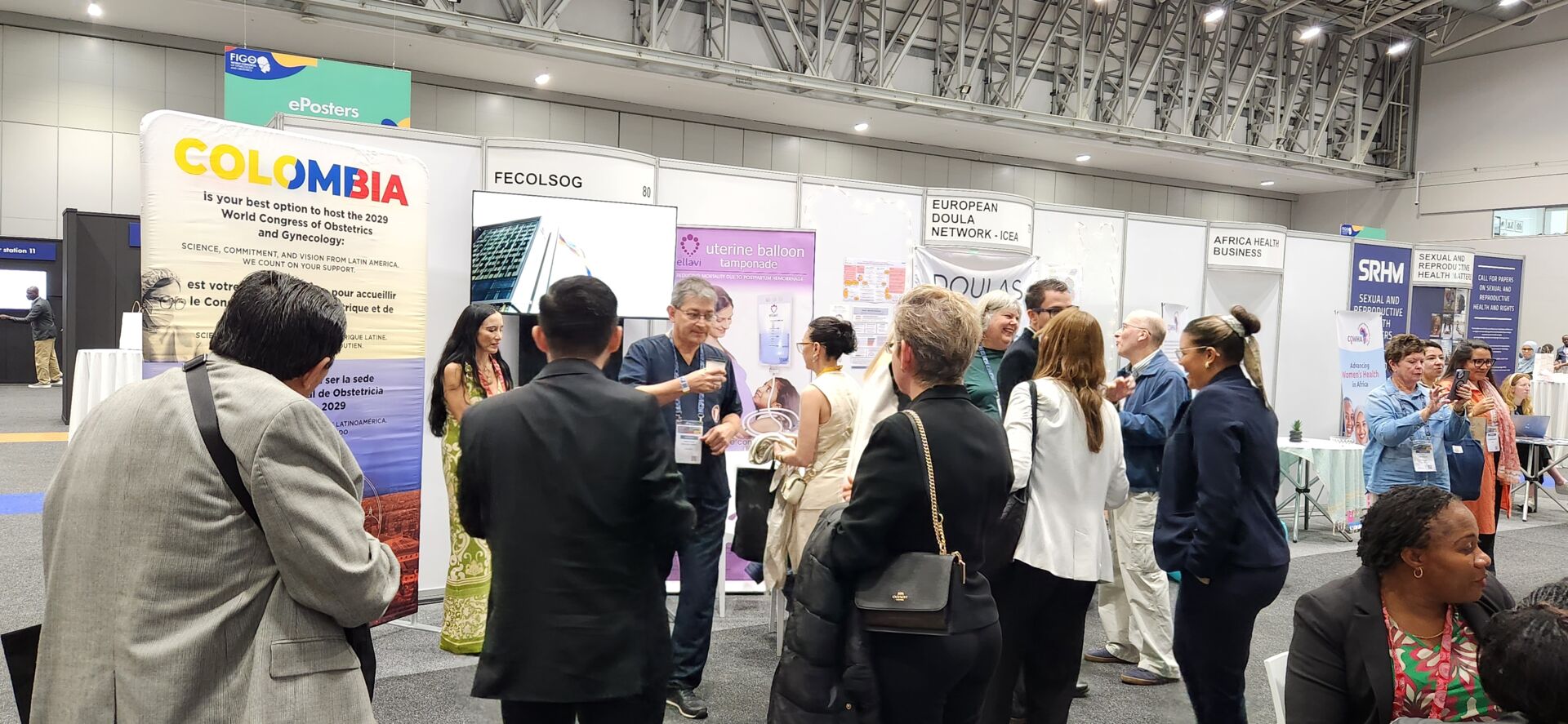
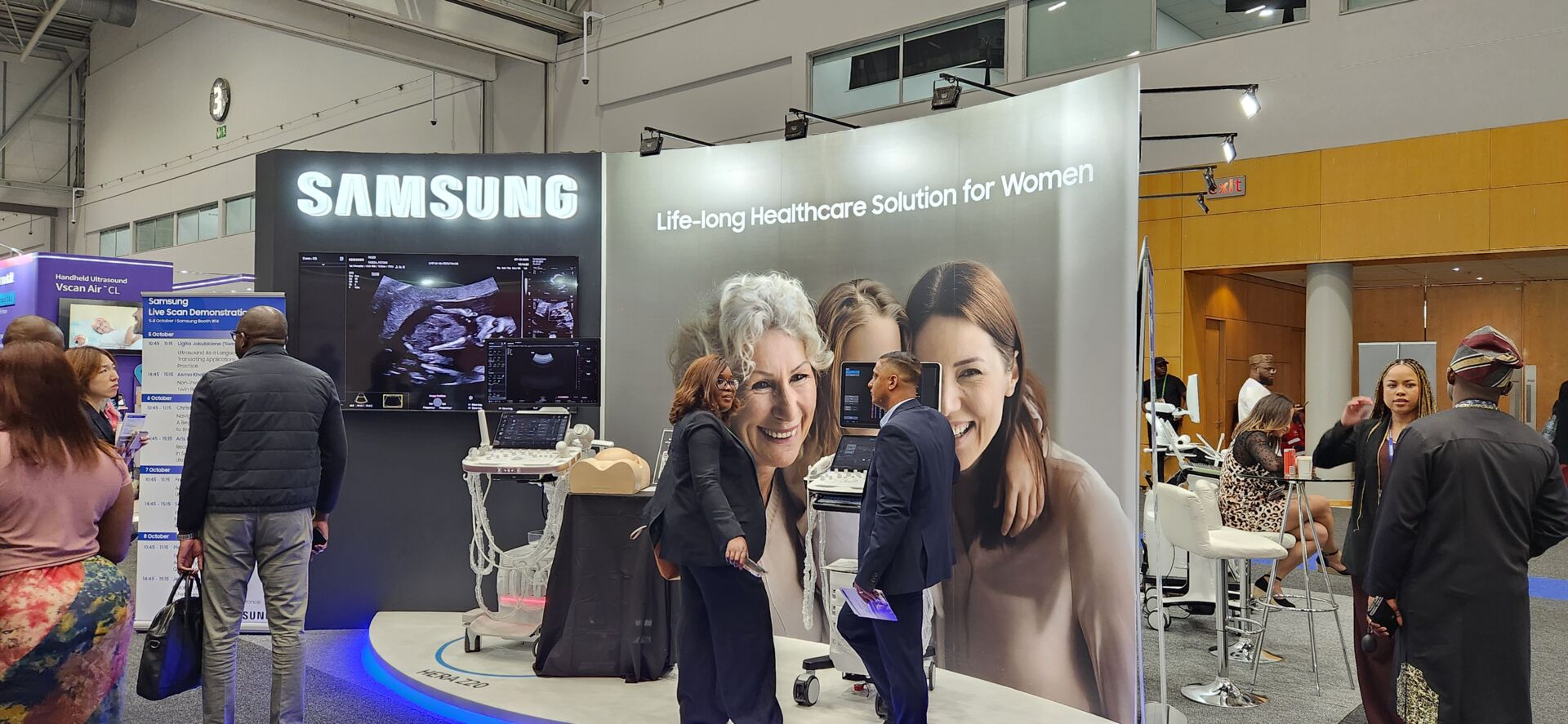
The exhibition and sponsorship presence adds another layer. With 90+ exhibitors and sponsors spanning pharmaceuticals, medical devices, academia and NGOs, you see the broader ecosystem that surrounds the field. For me, the value is not only what is being showcased. It is what it signals: where investment is going, what problems are commanding focus and what kinds of partnerships are being built.

Impressions from other attendees
What was a bit surprising was the large number of younger clinicians attending. Pictured below is Dr Rebonethato Lesupi, Associate Lecturer in Obstetrics & Gynaecology at the University of the Witwatersrand and a Registrar at Johannesburg Hospital in South Africa. He found the Congress an incredibly valuable experience. "It's an opportunity to meet people from all over the world, but it's also an opportunity to learn. In every lecture I've made notes of things that are going to help in my exams or clinical practice, fresh perspectives on how to manage our patients, what is done in other countries and what is the international benchmark. And that's what FIGO is doing: setting the benchmark."
He also mentioned that he had attended the FIGO webinars before and during the congress, and had followed all social media platforms, which he found extremely helpful.
Dr Ayibatonye Owei is a Nigerian obstetrician and gynaecologist with extensive clinical, leadership and public health experience. He said he found the presentations at FIGO 2025 “stimulating and interesting”, especially those focusing on maternal mortality: “Global attention on this question is important,” he told me. “It's a very distressing issue so I'm very happy that FIGO is taking on the challenge to champion the quest for the reduction of maternal mortality, especially in low resourced countries.”
Dr Graeme Smith, professor at Queen’s University in Canada, a leading researcher in obstetrics and gynaecology, and Editor-in-Chief of the Journal of Obstetrics and Gynaecology Canada (JOGC), was struck by a comment he heard relating to such countries. "There was a really good quote from the Kenyan chair of one of the sessions this morning: that poor countries shouldn't accept poor medicine. If there is an expectation for a certain level of care in high-income countries, then that should be the same expectation in low-income countries. They shouldn't accept lower quality or lower expectations and outcomes. It's been interesting to see how, with limited resources, such countries are trying to solve problems that are global but perhaps more prevalent in some states."
Throughout the Congress I kept hearing the same thought expressed in different ways: the goal is not only progress, but equitable, respectful and high-quality care, in every context.

The venue and organisation
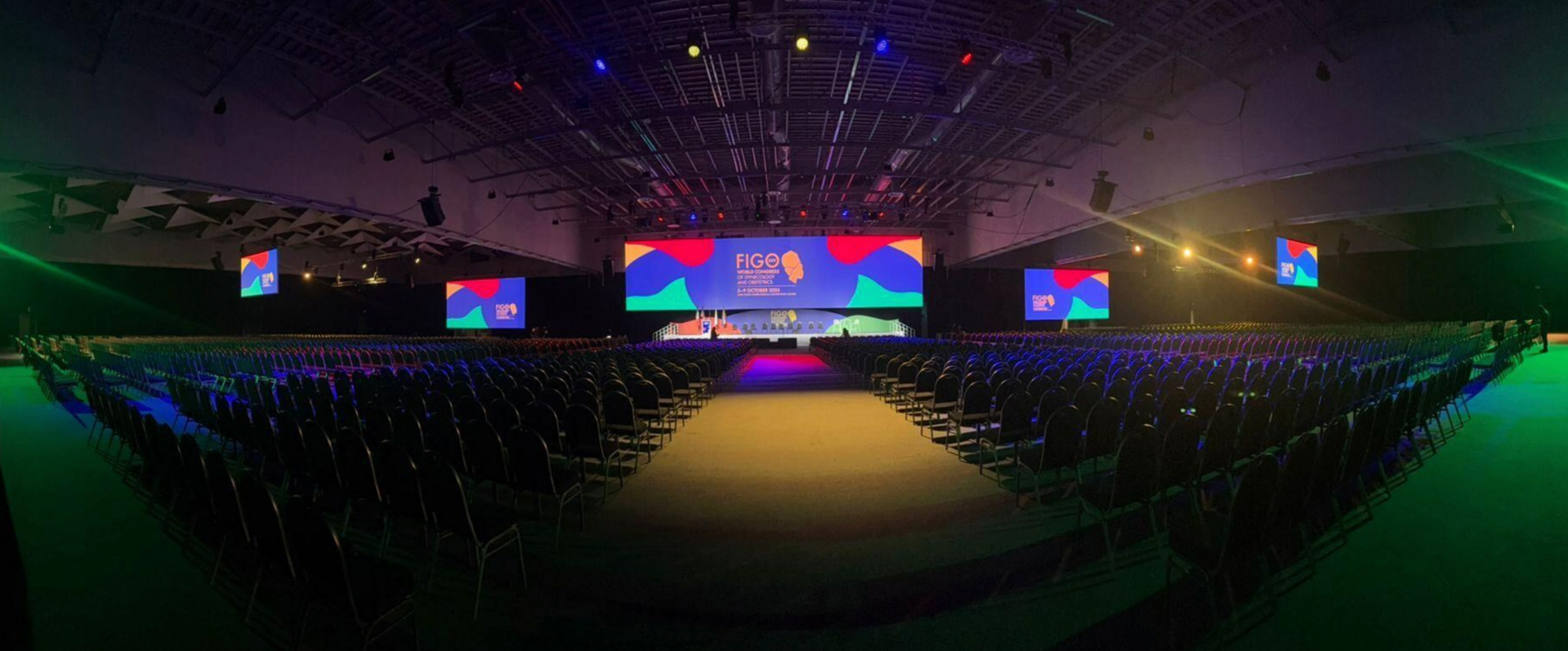
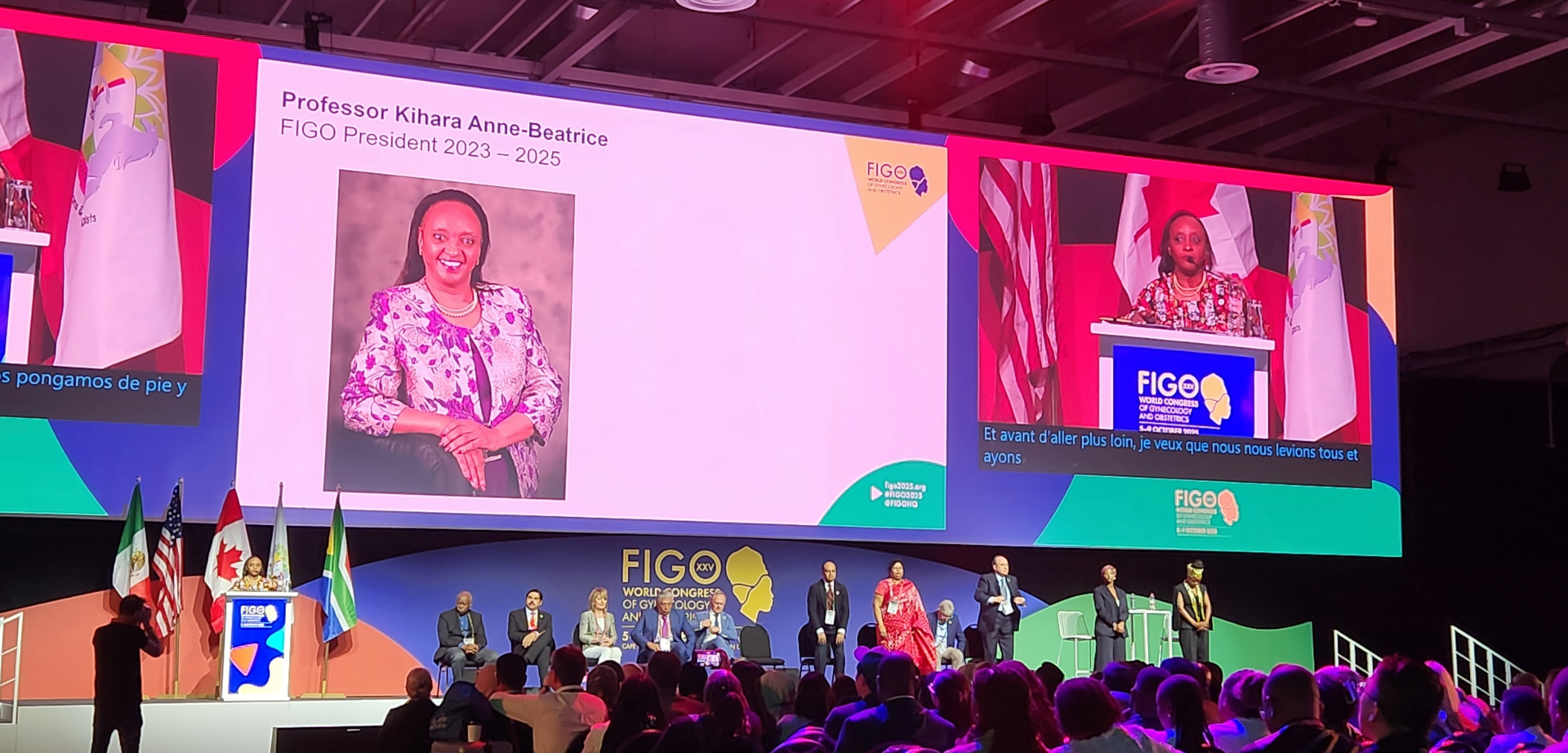
The venue for FIGO 2025 was the 140,855m² Cape Town International Convention Centre (CTICC). CTICC 1 and CTICC 2 are linked by a skybridge over The Heerengracht, with views to Table Bay and the port of Cape Town on the one side and, on the other, across the city to the iconic Table Mountain. What stays with you is the airy-ness and how the venue balances scale with a sense of openness. From registration to the networking functions, from the ballroom, auditoriums, breakaway spaces and meeting rooms to the exhibition halls, the Congress felt coherent even when thousands of delegates were moving between sessions. And amidst the throng were the team from MCI Switzerland, who were in charge of Congress management. Unobtrusive but always where they were needed. No wonder outgoing FIGO President Prof Anne-Beatrice Kihara mentioned them in her closing speech: “To my MCI crew, you have shown up at every turn with smiles and keen-ness. I am sincerely grateful.”
Every delegate I spoke to said they learnt an enormous amount and thoroughly enjoyed the Congress as well as their visit to Cape Town; many were staying on afterwards to explore the city, continuing to the winelands or heading off on safari.
The 2025 Congress may have drawn to a close, but FIGO’s work and global impact continues year-round. Delegates are able to stay connected and engaged with resources and opportunities to learn, share and act, like the FIGO Knowledge Hub, a podcast series, FIGO resources, the International Journal of Gynecology & Obstetrics (IJGO) and the FIGO newsletter.
 MCI Content Team


