
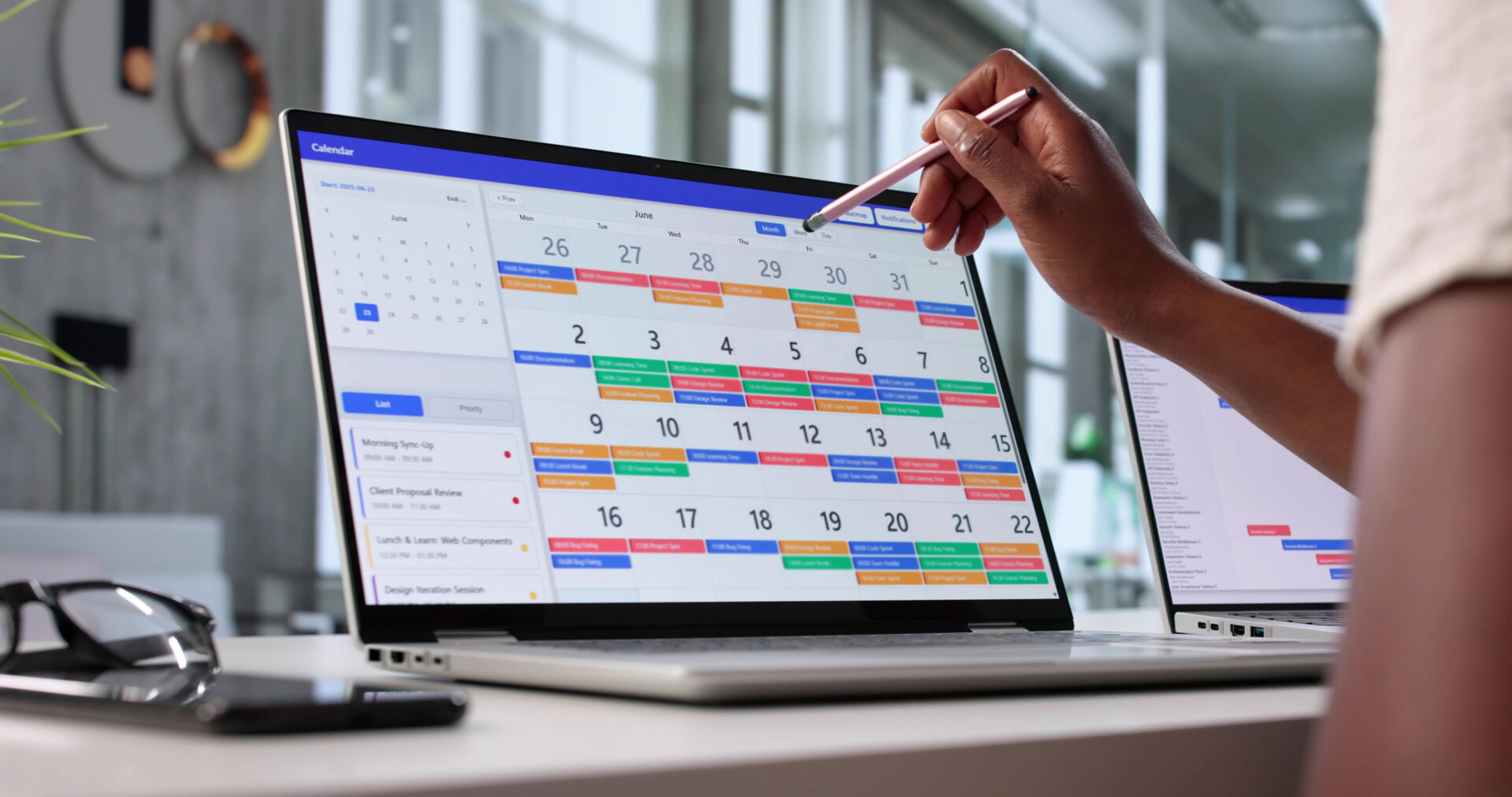
High-demand periods compress timelines quickly. When availability tightens, teams are forced into late trade-offs that can undermine experience, attendance and stakeholder confidence. American Express Global Business Travel’s 2026 Global Meetings & Events (M&E) Forecast, based on a survey of 601 event professionals (fieldwork 2025-07), predicts that costs and economic uncertainty are the top planning challenges for 2026, with location availability not far behind.
71% of meeting professionals canvassed anticipate cost increases for 2026, and 6% expect total cost per attendee to increase by +11% or more (based on total meeting budget divided by total planned attendees, excluding air fares).
Signals to watch for
- You are approaching venues less than 6 to 8 months before a peak period
- The location changes after initial planning
- Competitor events block your preferred dates
- Venue costs rise and scope reduces to stay within budget
How early should you secure a venue to protect dates and budget?
Early action usually improves outcomes because it gives you more choice and more time to shape the experience around the space. Start by writing down what must be true for the event to work: capacity, breakouts, flow, production needs, access times, security, brand control, and the hotel set-up around it.
Then source in parallel. Aim for one preferred venue and two alternatives that you have properly checked, including access hours, load-in, power, in-house supplier rules, internet and catering terms.
This is also the point to set decision deadlines. When approvals are clear, you can hold space earlier and move faster to contract once feasibility is confirmed.
Practical next step: build a one-page venue brief with your non-negotiables, then validate it against three venues in parallel.
Why it matters: Earlier venue commitment protects choice, pricing and delivery conditions.

How do you control venue costs while protecting attendee experience?
Venue cost is usually driven by more than room hire. Confirm that you are negotiating the total cost of delivery, not just the day rate .
“Negotiating minimum spends is one of the most effective strategies for reducing event costs,” says Ricky Hamilton, Account Director, Client Growth & Strategic Solutions, MCI Australia. “By consolidating fragmented charges into a single program wide commitment, we can achieve significant savings. When we pool the minimum spend to cover the entire duration of your programme, rather than on a day-by-day basis, it incentivises the event planner to keep more of the program spend onsite, an approach that benefits both the meeting planner and the venue.”
He adds that, often, the key lies in rethinking how we organise and utilise the space. “By eliminating the need for multiple breakout rooms, we can significantly cut costs. Sharing production elements between sessions is another great way to save on hire and labour. Simple adjustments, like shifting rehearsals to more affordable access times and doing away with unnecessary secondary spaces, can create a more streamlined and efficient setup. This not only keeps the event experience intact but also leads to more predictable budgeting and smarter use of venue space. It's about being both creative and strategic in our approach.”
Practical next step: ask venues to confirm in writing service charges, overtime triggers, access windows, in-house supplier rules, AV and internet policies, minimum spend structure, attrition and cancellation and rebooking terms before you lock design and production.
Simple discipline helps: Collate your non-negotiables in writing, then build contract guardrails around the cost drivers before design and production are locked in.
Why it matters: Contract clarity reduces budget shocks and protects programme scope.

What should you do when preferred venues are unavailable?
Preferred venues get blocked for predictable reasons: peak weeks, major business events, citywide demand and competitor calendar collisions. The Amex Forecast found that teams under economic uncertainty use tactics like “change in venue” (30%) and “change in destination” (24%).
Being flexible keeps momentum and maintains confidence. Here are some strategies to consider:
Same city, different day. Consider shifting arrival and programme patterns to match hotel and venue demand cycles, as this can unlock availability and better terms. “Flexibility is an essential strategy for achieving substantial savings in sourcing,” says Ricky. “Being open to adjusting dates, exploring alternative locations (see below), or considering subtle program changes, allows us to capitalise on need periods and off-peak times. During these periods, you can leverage lower venue costs and minimum spends, unlock added value, and benefit from competitive attrition clauses, thereby reducing risk. For instance, a Sunday arrival opposed to a Monday can be very attractive to a hotel. Adopting a partnership mindset during negotiations can result in substantial savings.”
Same city, different venue type. Ricky explains: “When preferred hotels or venues are unavailable, consider alternative spaces like museums, galleries, university halls, film studios, rooftops, or heritage sites to secure your dates. While these venues may require flexibility regarding setup times, external equipment sourcing and have unique cost structures, they ultimately ensure a booked date and offer a unique experience.”
Adjacent hub or secondary city. Consider locations with strong transport links and hotel supply, then design the experience around connection and brand moments.
If you are weighing alternatives, focus on feasibility first: access hours, load-in and load-out, power, internet resilience, catering constraints and union or in-house supplier rules. If you need additional leverage on holds, shoulder dates or commercial terms, a partner with established venue relationships can help you move faster and negotiate from a stronger position.
Why it matters: A disciplined options approach keeps planning moving and reduces late trade-offs when preferred space is unavailable.

What changes when you partner with an agency like MCI?
A strong agency partnership changes three things: negotiation leverage, operational certainty and speed across multiple markets.
Pam Baker, Director, Corporate Division, MCI USA explains: “Besides our logistics expertise, strategy and creative event design, our vast network allows us to leverage the strong and reliable partnerships we have at global level with hotel brands. We are expert negotiators and often can challenge a hold or present a more appealing and viable financial offer to a venue.”
We can also help strategise creative solutions. “For example, if a venue has a booking on a Friday night and we would like the shoulder date (either Thursday or Saturday), the venue may turn a client down as it is a ‘load-in’ or ‘load-out’ date in their booking calendar,” says Pam. “But MCI has the expertise to work with the venue and vendors to ‘share’ equipment or services; we can help facilitate and design the participant experience with the existing event and this can turn a ‘no’ into a ‘yes’. Some compromises may need to be made, which we always guide our clients on, but in the end, it can save costs and resources (like time and labour) to share what is already being set-up.”
Ricky agrees, adding that “Bundling multiple events under a single preferred-partner arrangement can significantly enhance negotiating power. This approach often results in valuable commercial benefits such as multi-event F&B concessions, flexible room-block terms, priority upgrades and improved cancellation or rebooking conditions. By consolidating venue requirements, we can unlock the next-tier value frameworks reserved for major volume buyers, leading to reduced costs, secured availability during high-demand periods and smoother internal processes.”
And then there’s our global network of offices, which allow us to “see” venues when we cannot be physically present. Pam explains: “For example, if MCI Canada is organising an event in Madrid, our MCI Spain colleagues provide support to conduct site inspections, walk throughs and help with ESST* etc, saving time, costs and being sustainable as we do not have to travel to Spain for a site inspection ourselves.”
That local support also protects brand consistency when you deliver in different markets. MCI teams use the same planning standards across countries, then adapt the details that need local input, such as venue rules, supplier practices, regulations, labour requirements and cultural expectations. This keeps the experience recognisable for your audience and client, while making sure the venue can deliver what the programme needs, without surprises late in the plan.
"Boots on the ground” also help with early warnings in peak periods: “Our offices know what is coming in their cities and have relationships with Convention Visitors Bureaux and tourism authorities, which can be a great help in identifying peak influx periods before that information is published publicly,” Pam adds.
* The ESST (Event Safety and Sustainability Tool) is MCI’s mandatory risk‑management and safety assessment tool used for every event. It evaluates health and safety, operational risks, sustainability requirements and data protection (GDPR) before an event goes live.
Why it matters: A partner extends your operations team, has legacy and local experience and knowledge, speeds up sourcing, strengthens negotiation and reduces the risk all round when internal resources are stretched.
Still have queries? Here are the answers to some of the FAQs we receive from our clients
Q1. What signals tell us venue risk is already present?
A. Short lead times for peak periods, shrinking shortlists, repeated location changes, and competitor events blocking preferred dates.
Q2. How many venue options should we carry in parallel?
A. One preferred venue and two vetted alternatives, each feasibility-checked against your operational requirements.
Q3. Which contract points protect budget most effectively?
A. Service charges, overtime rules, access windows, AV and internet policies, exclusivity clauses, attrition, and cancellation and rebooking terms.
Q4. Which practical tactics are teams using under cost pressure?
A. The AMEX Forecast shows change in venue (30%) and change in destination (24%) among the tactics used under economic uncertainty (fieldwork 2025-07). AMEX-Forecast-2026
Q5. How does MCI support corporate teams with stretched capacity?
A. We act as an extended operations team for venue sourcing, negotiation, contracting, strategic localisation and creative delivery, supported by our worldwide supplier relationships.
Glossary
Option hold – A time-limited reservation on venue dates while approvals and contracting proceed. Often used when availability is tight.
Attrition – The contracted tolerance for reducing room-nights without penalty. Often used when attendance varies.
Minimum spend – The required spend level linked to space allocation, often through F&B. Often used in high-demand venues.
Total cost of delivery – The full cost impact of venue rules and operational constraints, beyond the day rate. Often used when comparing proposals.
Citywide – A period when large events increase demand for venues, hotels and transport. Often used in availability forecasting.
Sources
American Express Global Business Traveler (Amex GBT) – Global Meetings & Events Forecast 2026, (2025-07 fieldwork). https://explorer.amexglobalbusinesstravel.com/rs/346-POJ-129/images/ME-Forecast-2026.pdf?version=0 (Accessed January 2026)
Contributors' bios
Pam Baker, Director, Corporate Division, MCI USA, has a passion for event planning and 15+ years of professional event management experience in conferences, incentive trips, product launches and seminars across North America and many international destinations. Her proven leadership and attention to detail along with her passion and focus on success deliver creative and memorable event experiences.
Ricky Hamilton, Account Director, Client Growth & Strategic Solutions, MCI Australia, is a strategic thinker with a proven ability to address strategy, compliance and engagement; mobilising teams to deliver exceptional outcomes across complex client landscapes.
 MCI Content Team


